Buyers Guide

The Ultimate Snowboard Buyer’s Guide

Buying a snowboard is an investment in your fun. But with all the different shapes, sizes, and camber profiles out there, finding "The One" can get confusing. Whether you are linking your first turns or dropping cliffs in the backcountry, this guide will break down everything you need to know to pick the perfect setup.
1. Identify Your Riding Style

The first step is deciding where you want to ride. Most boards are specialized for specific terrains.

All-Mountain (The “Quiver Killer”)

  • Best For: Riders who do a bit of everything—groomers, powder, and occasional park laps.

  • Characteristics: Usually directional twin shapes with a medium flex.

  • Verdict: If you only buy one board, make it an All-Mountain.

Freestyle / Park

  • Best For: Jumps, rails, boxes, and riding switch.

  • Characteristics: True Twin shape (symmetrical), softer flex for buttering and pressing, and often shorter lengths.

  • Verdict: For the creative rider who sees the mountain as a skatepark.

Freeride / Powder

  • Best For: Deep snow, steep lines, trees, and high speed.

  • Characteristics: Directional shape (longer nose, shorter tail), setbacks stance, and stiffer flex for stability.

  • Verdict: For the rider who chases storms and avoids the crowds.

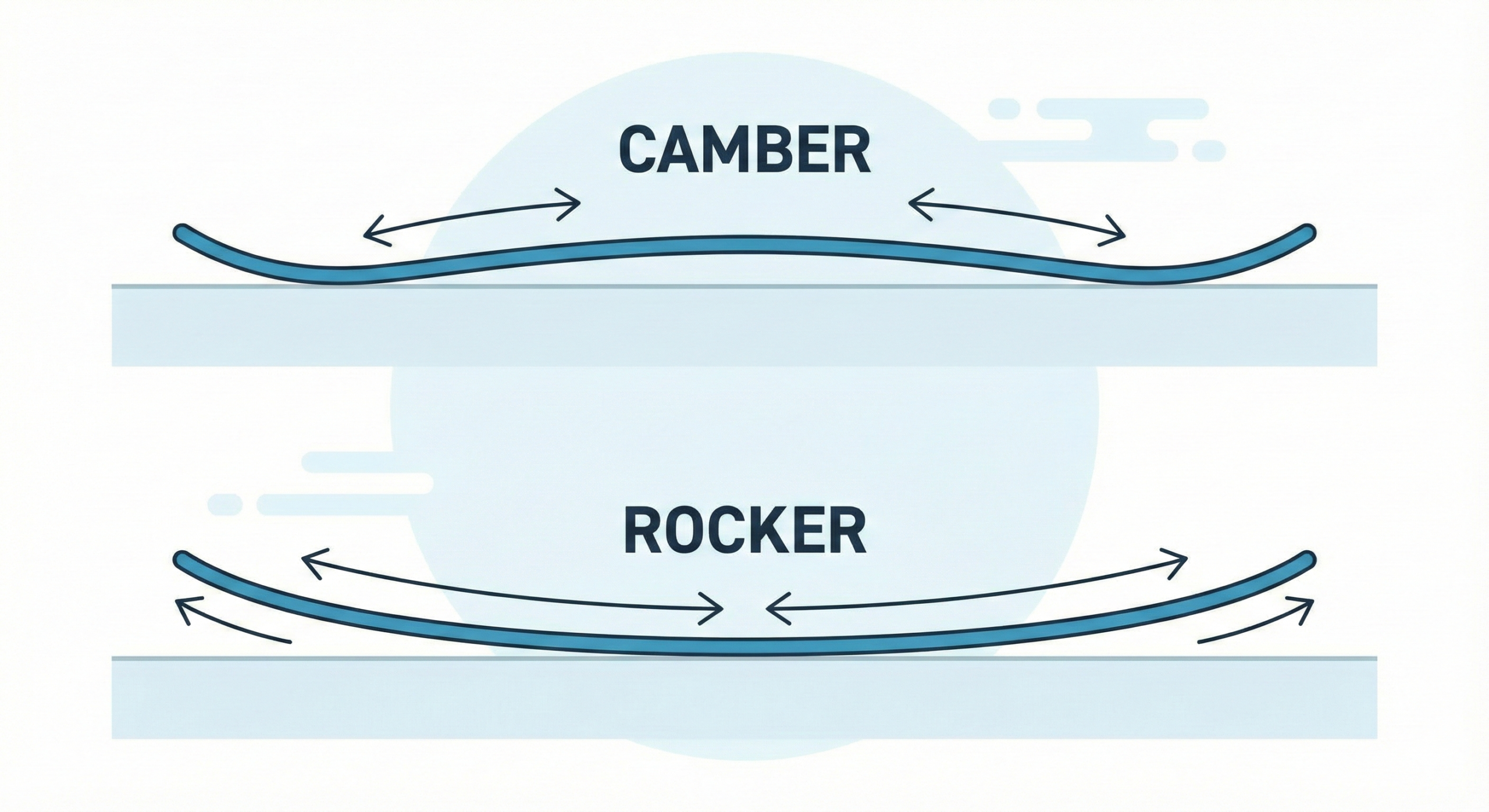
2. Understanding Profiles: Camber vs. Rocker

The profile is the shape of the snowboard when viewed from the side. This determines how the board feels on the snow.
 
ProfileShapeFeel & Performance
CamberArches up in the middle.Power & Pop. Traditional profile. precise edge hold and explosive energy. Great for aggressive carving and jumps.
RockerCurves up like a banana.Playful & Float. Contact point is in the center. Less likely to catch an edge (great for beginners) and floats effortlessly in powder.
HybridMix of both.Best of Both Worlds. Usually Rocker in the middle/tips and Camber underfoot. Gives you float in deep snow but edge hold on hardpack.

3. Finding Your Size (Length)

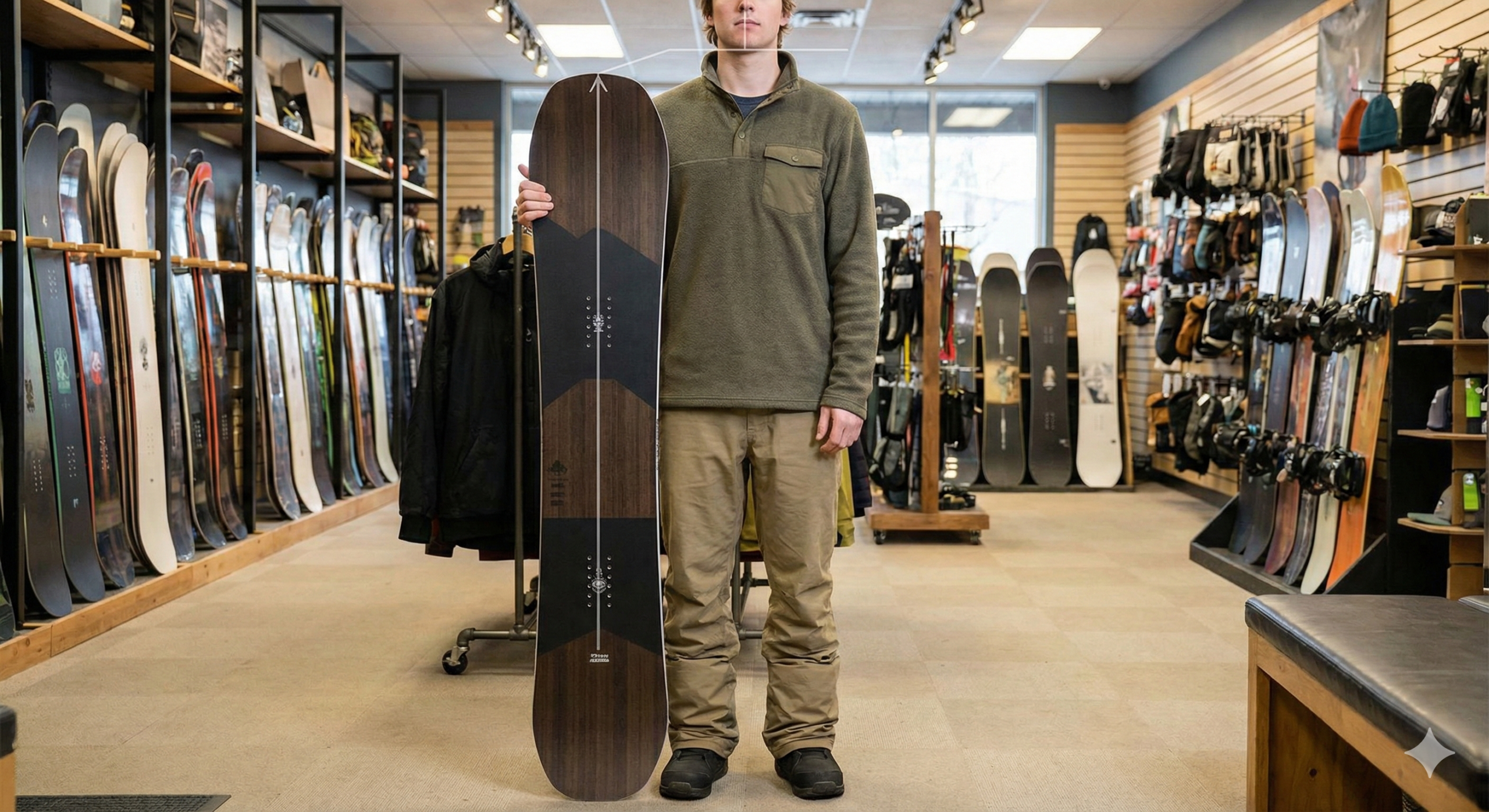
A common myth is that your board should reach your chin. False. Your snowboard size depends primarily on your weight and boot size. Heavier riders need a longer, stiffer board to support them. Lighter riders need a shorter, softer board so they can maneuver it.
General Sizing Rule:

  • Check the manufacturer’s spec sheet for the “Weight Range” on every product page.

  • If you are in between sizes:

    • Size Down: For easier turning and park riding.

    • Size Up: For stability at speed and better float in powder.

4. The Width Factor (Don't Drag Your Toes!)

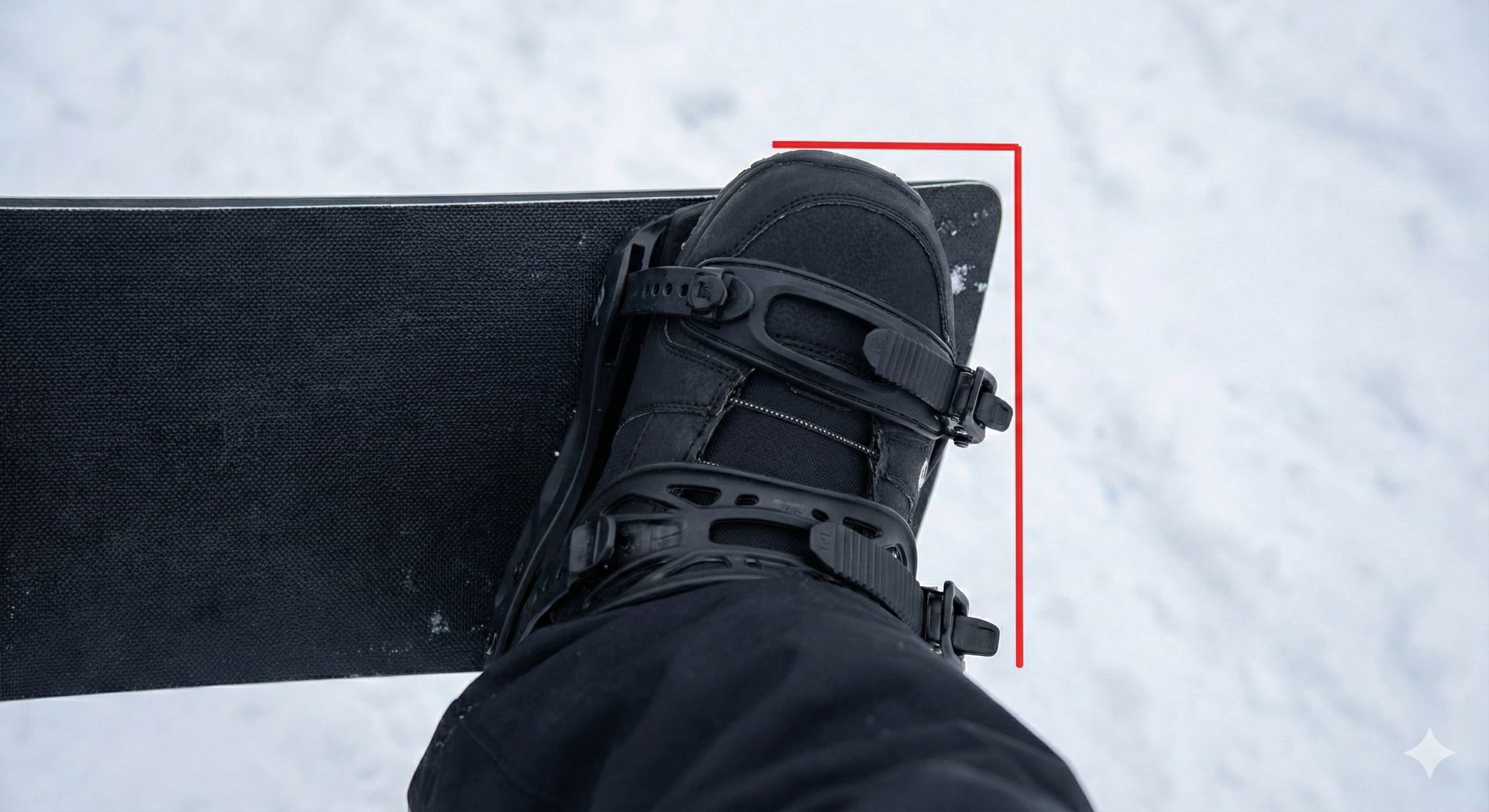
This is the most overlooked factor. If your board is too narrow, your boots will hang over the edge (toe drag), causing you to wipe out when carving.
  • Boot Size US Men’s 10.5 and under: Standard Width board.

  • Boot Size US Men’s 11.0 and up: Wide (W) board.

Look for the “W” next to the size on our product pages (e.g., “159W”).

5. Flex Rating

Snowboards are rated on a flex scale of 1 (Soft) to 10 (Stiff).

  • Soft (1-4): Forgiving and easy to turn. Great for beginners and park riders (jibbing).

  • Medium (5-7): versatile and responsive. Perfect for All-Mountain riding.

  • Stiff (8-10): Powerful and stable at high speeds. Geared towards expert freeriders and carving.

6. Boots & Bindings Compatibility

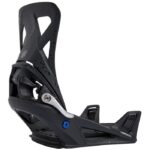
  • Bindings: Most modern boards use the 2×4 or 4×4 insert hole pattern.

    • Note on Burton: Burton uses “The Channel” system. Most non-Burton bindings work with The Channel, but make sure the binding box says “Channel Compatible.”

  • Boots: Your boots are the most important part of your setup. If your feet hurt, you won’t ride. Ensure your boots are snug but not painful.

Still Not Sure?

We are riders, not just salespeople. If you are stuck between two boards, shoot us a message. Tell us your height, weight, boot size, and where you like to ride, and we’ll give you a personal recommendation.